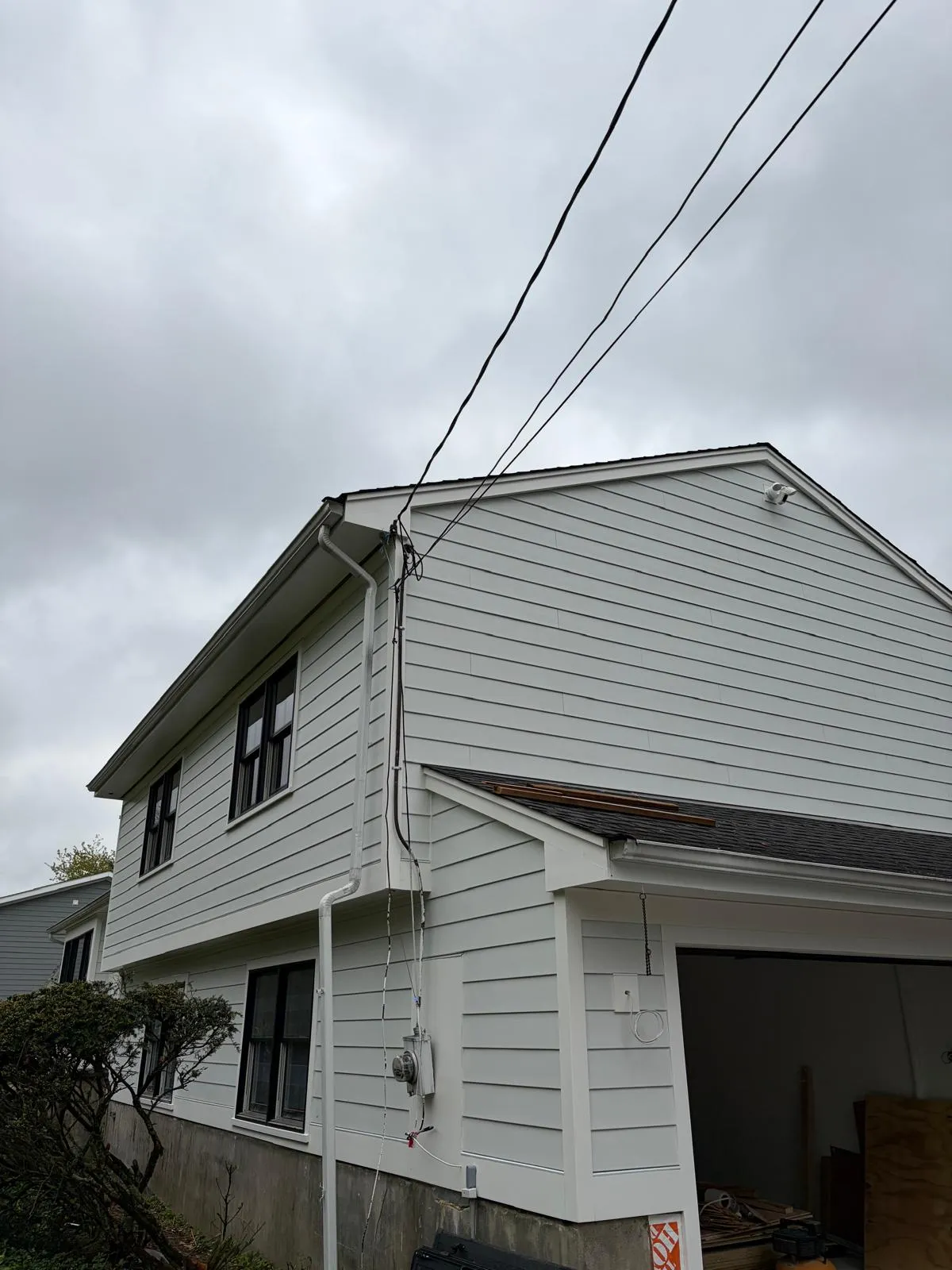
Both work here. That’s the honest starting point, and it’s why the decision comes down to your house, your exposure, and how much maintenance you’re willing to do rather than to one material being better than the other. Choosing siding in Connecticut means planning around freeze and thaw cycles that run all winter, humid summers, coastal salt from Greenwich through Norwalk, and snow that piles against the lower courses for weeks at a time inland. Those conditions punish different materials in different ways.
Vinyl handles moisture well and asks almost nothing of you, but it moves a lot with temperature and can crack in a hard impact when it’s cold. Fiber cement is heavier, holds paint for years, and takes impact without flinching, but it costs more to install and it does eventually need painting. Neither one saves a wall that has water getting behind it, which is the part most comparison articles skip. Here’s how they compare on the things that actually matter in this climate.
How Each Handles Connecticut Weather
Vinyl expands and contracts significantly with temperature, which is why it has to be hung rather than nailed tight. Done correctly, that movement is invisible. Done wrong, you get the buckling and rippling you see on houses all over the state after a hot summer. It doesn’t absorb water, so freeze and thaw doesn’t damage the panel itself.
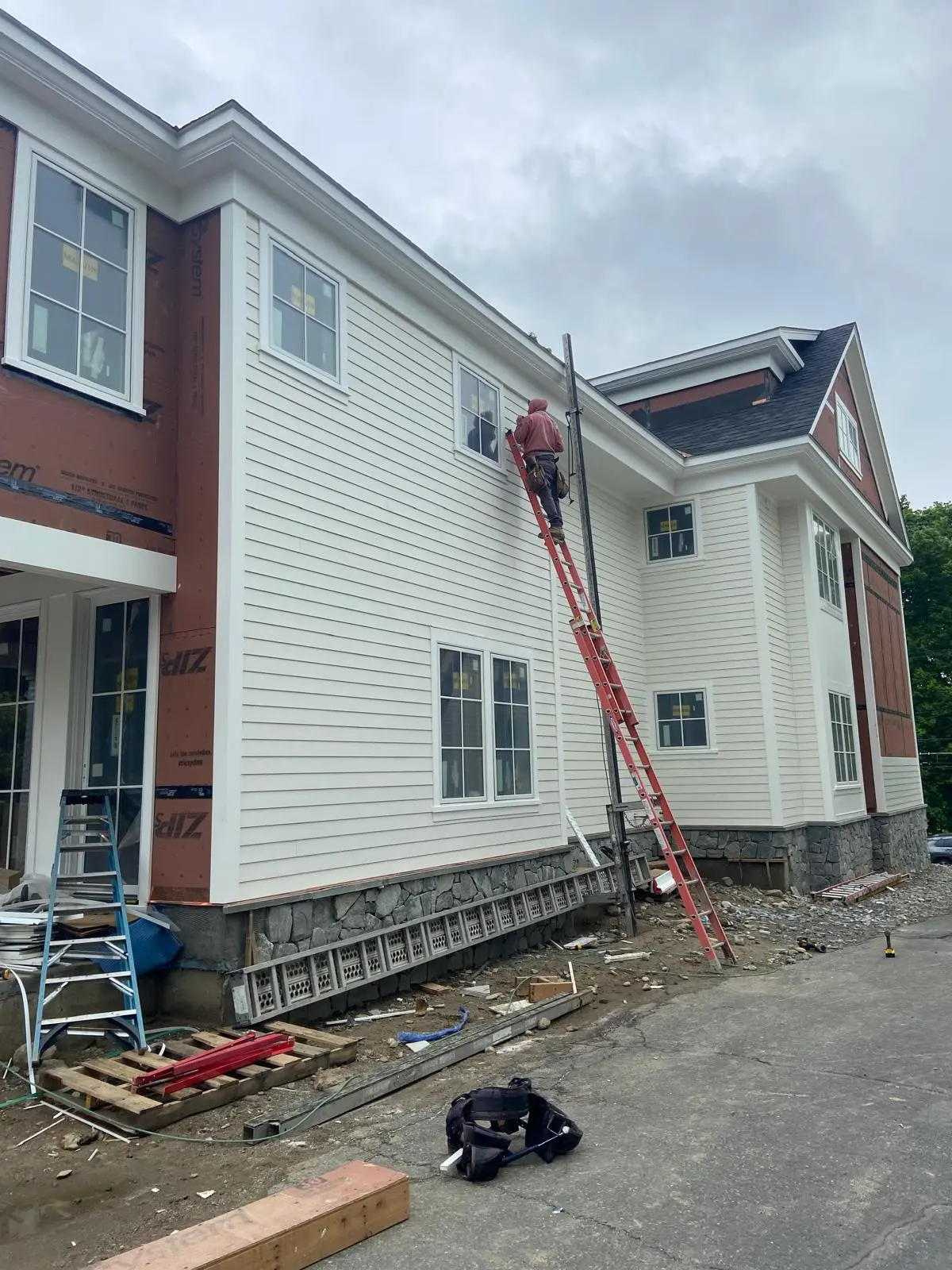
Fiber cement barely moves, holds its line, and resists impact from hail and stray branches. It absorbs some moisture, so the cut ends and the installation details matter, particularly the clearance at grade and above roofs. On coastal walls taking salt and wind-driven rain, fiber cement generally holds paint better than wood does, and vinyl simply doesn’t care.
Maintenance Over Twenty Years
This is where the two diverge most. Vinyl needs washing, and that’s about it. The color runs through the material, so scratches don’t show the way chipped paint does, and you never repaint. Fiber cement comes primed or prefinished, and factory finishes last a long time, but at some point it’s a painting project. Budget for that.
Neither material needs the annual attention that wood siding does, which is the real reason both have taken over from cedar on most Connecticut houses. If you plan to be in the house for thirty years, the paint cycle on fiber cement is a real cost. If you’re planning to sell in eight, it probably isn’t your problem.
What Drives the Cost Difference
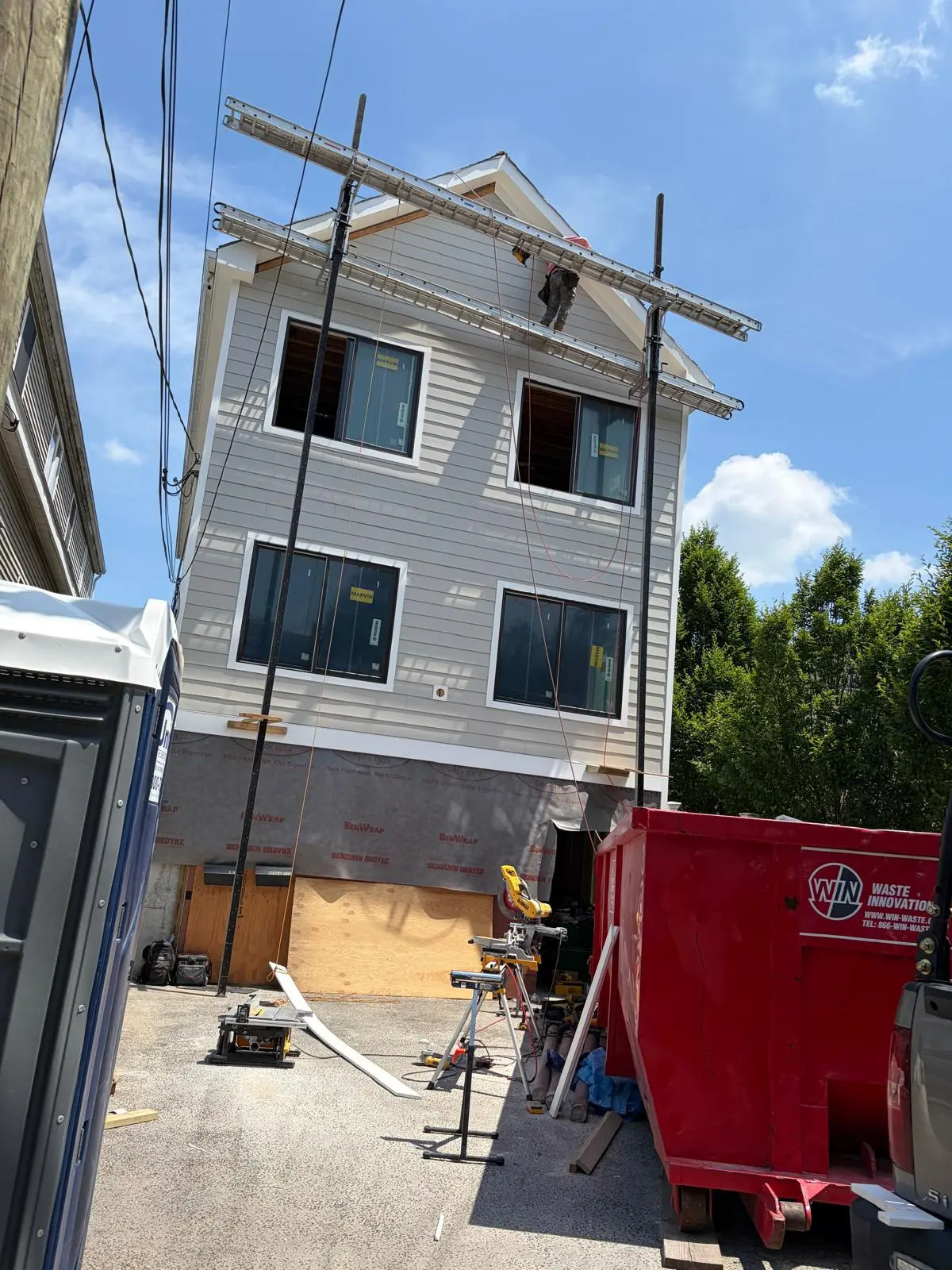
Fiber cement costs more than vinyl in both material and labor. It’s heavy, it cuts slower, it usually takes two people to hang a plank, and the cutting requires dust control. Vinyl goes up faster with a smaller crew. That said, the material choice is rarely the biggest number on a siding estimate.
The condition of what’s underneath usually is. If the sheathing is wet, the house wrap failed, or the trim is rotted, that work happens either way and it can exceed the difference between the two materials. This is why quotes given over the phone are worthless. Nobody knows what’s behind the old siding until it comes off.
Which House Suits Which
On a straightforward colonial or ranch where the priority is low maintenance and a reasonable budget, vinyl is usually the right call, and insulated panels are worth asking about. On a house with a lot of architectural detail, a period style where the panel profile matters, or an exposed elevation that takes real weather, fiber cement earns its cost.
Historic properties, particularly near districts like Ridgefield’s, may have appearance considerations that push toward fiber cement or back to cedar. We price both on the same estimate so you can see the difference for your specific house rather than for a house in an article.