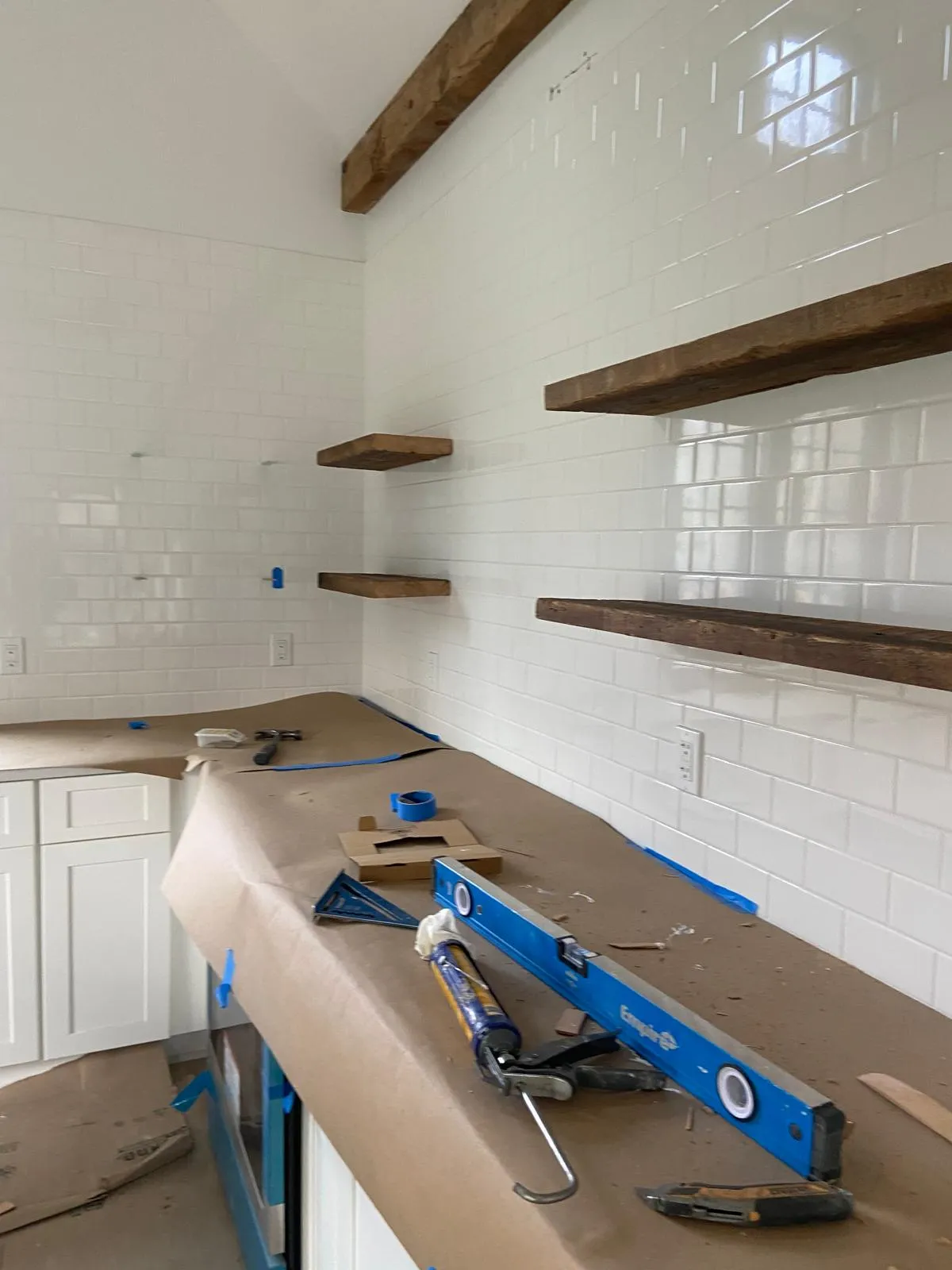
Most of the time, yes. Whether it’s comfortable is a different question, and the honest answer depends on what’s being remodeled and how the work is sequenced. This comes up in nearly every conversation we have about home remodeling in Connecticut, usually right after budget and before schedule. The families who handle it well are the ones who planned for it. The ones who struggle are the ones who were told it wouldn’t be a problem and then discovered on day three that the kitchen sink was gone for a month.
There are really two variables. The first is whether the project takes out something you can’t live without, mainly the kitchen or the only full bathroom. The second is dust, which travels much further than people expect and doesn’t care about a bedsheet taped across a doorway. Both are manageable, but only if they’re addressed before demolition starts rather than after. Here’s what to expect, room by room, and when moving out is genuinely the cheaper choice.
When Staying Works Fine
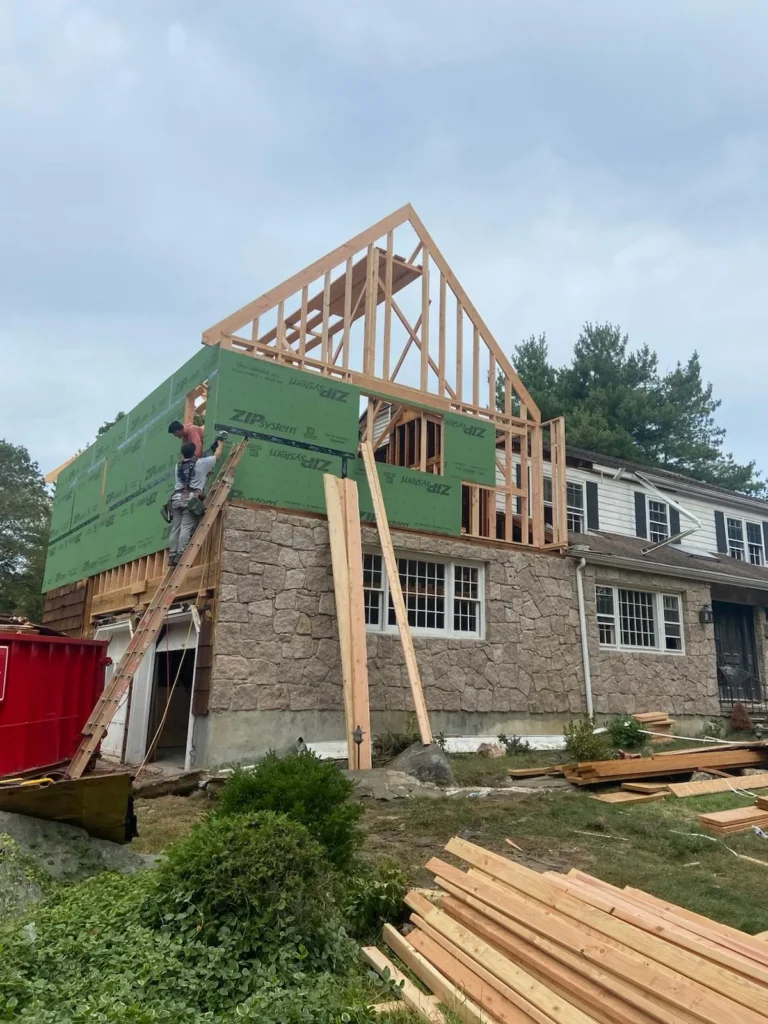
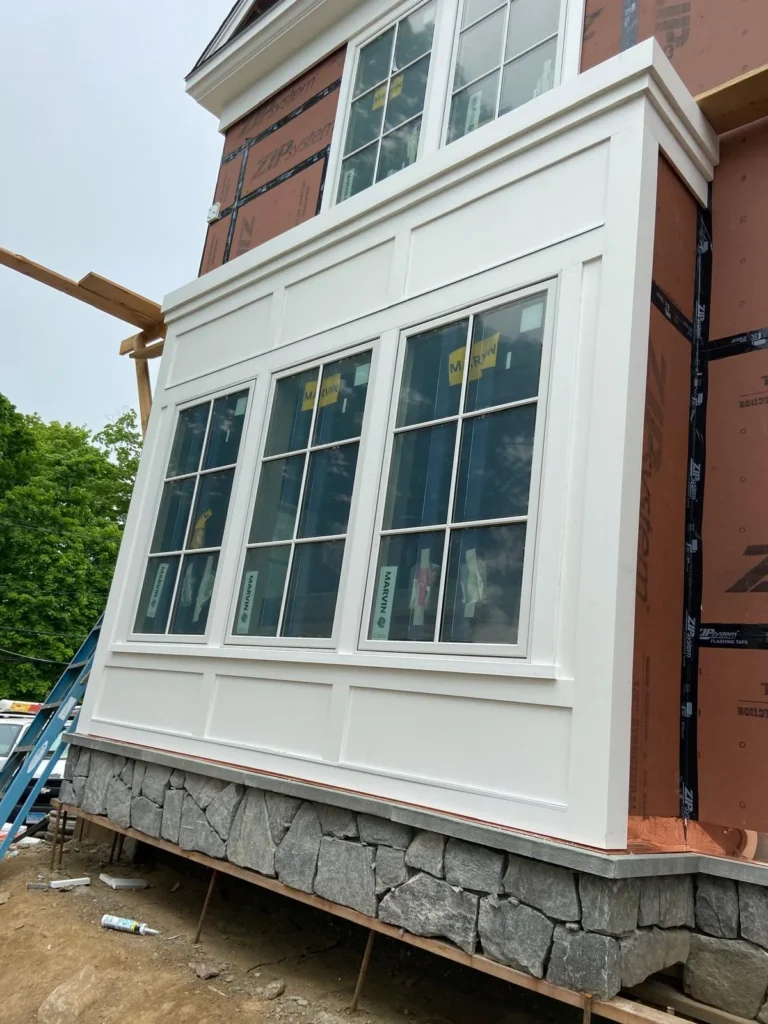
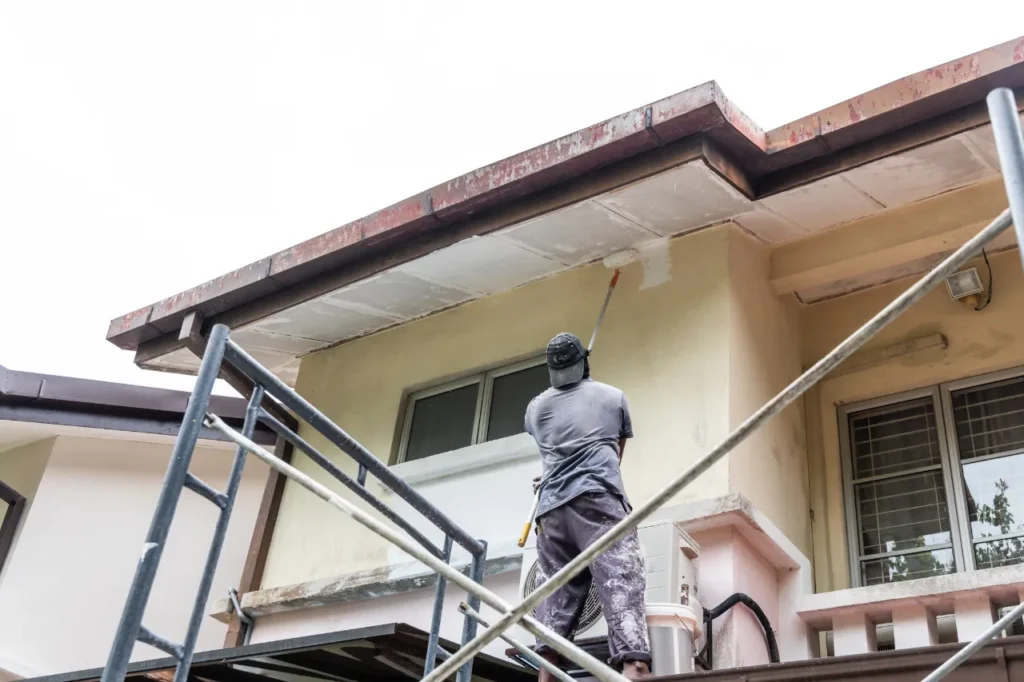
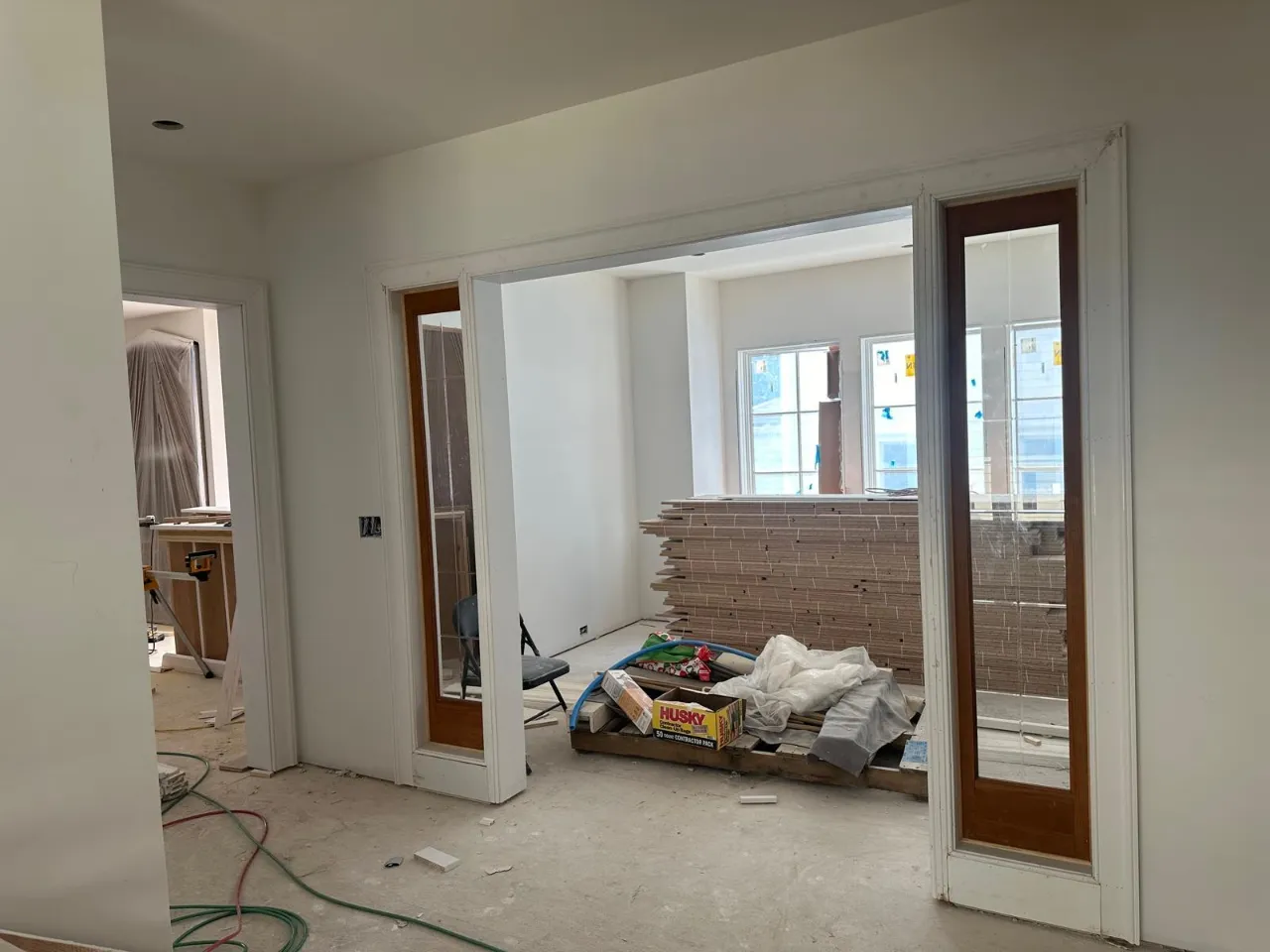
Single-room projects are usually easy to live around. A basement finish, a bedroom, a home office, an addition that’s framed outside the existing walls: in all of these the work zone can be sealed off and the rest of the house runs normally. Exterior work is the same, since siding, trim, and painting happen outside.
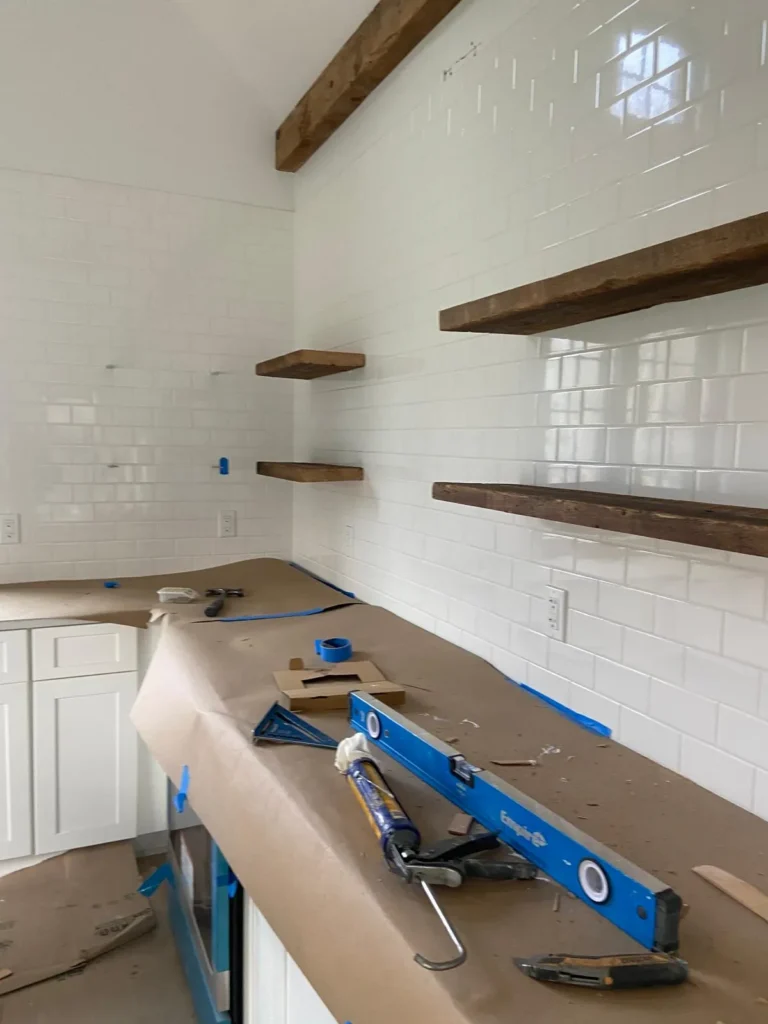
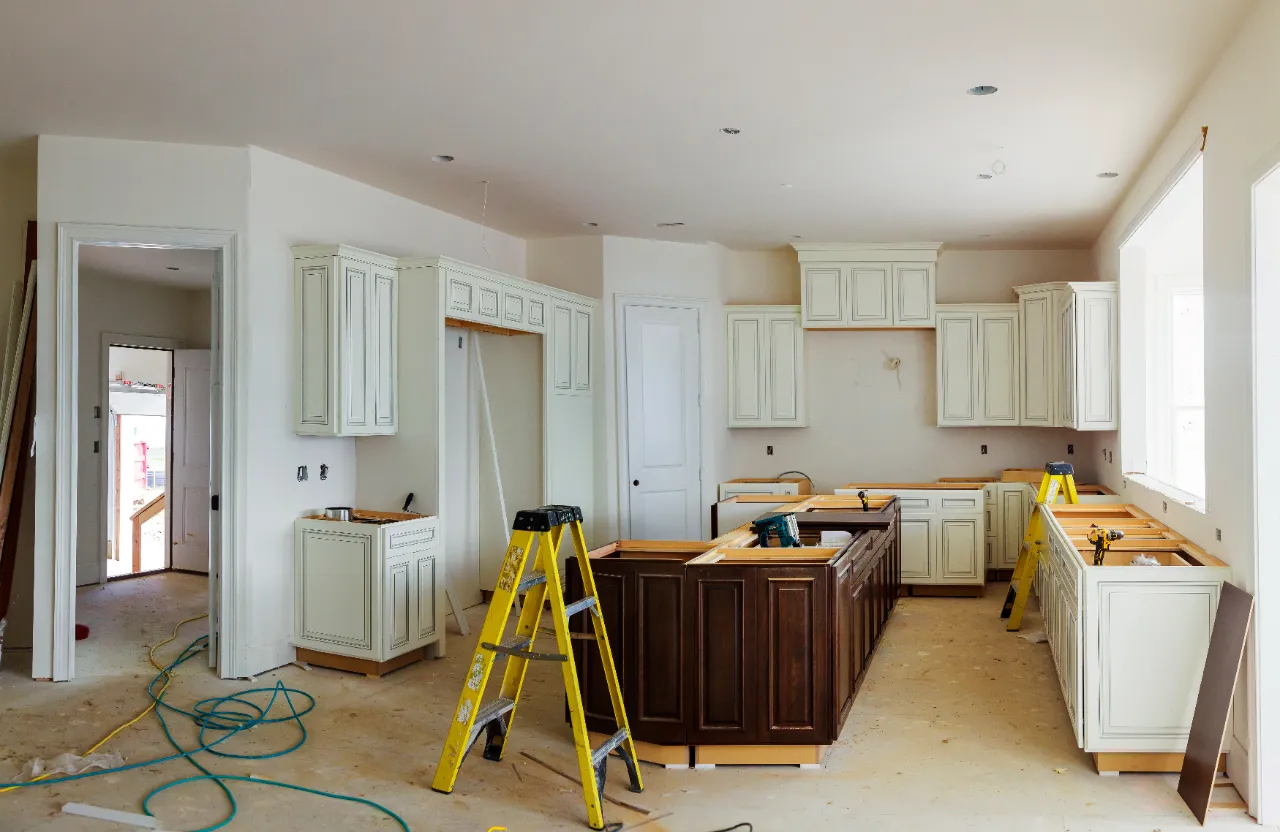
A bathroom remodel is workable if you have a second bathroom. A kitchen remodel is the hard one, because the sequence includes stretches with no sink, no counters, and eventually no appliances. Families do it with a temporary setup in the dining room, but it’s a matter of weeks, not days, and it’s worth being honest about that before signing.
When Moving Out Is Cheaper
Sometimes staying costs more than leaving. Whole-house renovations, projects that take out the only bathroom, and jobs where floors are being refinished throughout are the usual cases. When crews have to work around a family, the schedule stretches, and that costs money.
When the house is empty, work runs in the most efficient order instead of the least disruptive one, and the project finishes sooner. If you have small children, someone working from home, or anyone with a respiratory condition, that changes the math too. We tell clients up front when we think moving out for part of the project is the better decision, even though it’s not what anyone wants to hear.
How Dust Control Actually Works
Plastic sheeting taped over a doorway is not dust control. Real containment means rigid dust walls with zippered access, sealed floor protection, covering or shutting down HVAC returns in the work zone so the system doesn’t distribute dust through the whole house, and negative air where the work warrants it.
Floors in the traffic path get papered or covered in hardboard, not just where the crew is working. Debris leaves daily instead of piling in the driveway. None of this is exotic, but it’s the difference between finding drywall dust in a closet upstairs and not. Ask any contractor what their containment looks like, specifically, before they start.
Sequencing Around the Household
A good schedule is built around what you need to keep using. That might mean doing the guest bathroom first so there’s a working shower before the main one comes out. It might mean staging a kitchen so the sink and one run of counter stay live until the last possible day.
It might mean scheduling the loudest demolition on the days everyone’s out. This is the part where having the owner on site matters, because those calls get made in real time rather than through a message chain. It costs nothing to plan and it’s the difference between a remodel you tolerate and one you resent.